North Sikkim remains one of the most inaccessible and impressive regions of India. High-altitude lakes, small settlements, valleys with sparse vegetation, and proximity to the border with Tibet create a distinct rhythm of life. Here, travelers encounter a climate, nature, and way of life unlike the rest of India, and the journey itself becomes an integral part of the experience.
Below is a practical guide to help you plan your trip, decide which places to include in your itinerary, and what to expect when you get there.
How many days are needed for North Sikkim
Classic programs take two or three days, but require mandatory overnight stays in Gangtok before and after the route. This is because trips start early in the morning, and traveling by road from Gangtok takes many hours.
If you want to include less popular locations, such as Dzong, or spend more time in Lachung and Lachen, plan for five days in the region plus two days in Gangtok.
How to arrange your trip and obtain permits
Northern Sikkim is a protected area. Some areas are subject to special controls, in particular the Gurudongmar area and the villages on the way to it. A special pass (Protected Area Permit) is required for entry, and it is issued only to passport holders or Indian voter ID card holders.
Documents such as Aadhar, driver’s license, or PAN card are not accepted.
Travelers can choose between two options:
1. Group tours
The most common and budget-friendly option. The cost depends on the season and usually includes transfers, accommodation, and meals. You will share a car with other participants, but rooms are provided individually or for two people.
2. Private car
Suitable for those traveling with family or friends. The price is higher, but there is more flexibility in terms of time and route. The tour company will arrange the permit; you only need to provide copies of your documents and photos.
How to prepare for the trip?
The preparation plan is simple:
- Fly to Bagdogra or take a train to New Jalpaiguri, then get to Gangtok.
- Book two nights in Gangtok, one upon arrival and the second upon return from the north.
- Choose a tour operator. Many travelers note that booking on the spot is often cheaper.
- Submit documents for permission.
On the day of departure, arrive at the parking lot in advance, especially if you are participating in a group tour, as the seat in the car you choose significantly affects comfort.
What to see in North Sikkim
Below, we gathered a bunch of interesting sights to visit in the region.
Lachen
A small village at an altitude of about 2700 meters, surrounded by coniferous forests and mountain river valleys. This is where the early ascent to Lake Gurudongmar begins. Evenings here are usually quiet: you can walk to the monastery or stroll along the surrounding trails. The village gives the impression of an unhurried, very intimate lifestyle in northern Sikkim.
Lake Gurudongmar
The main natural attraction of the region. At an altitude of about 5400 meters, the temperature remains low even in spring, and the air is thin.
The lake’s unusual transparency distinguishes it, and the peaks surrounding it form an almost flat circular amphitheater. Locals consider it sacred; according to legend, part of the surface never freezes thanks to the touch of Guru Padmasambhava.
It is essential to understand that conditions here are complex. People with respiratory diseases and elderly travelers are better off avoiding this trip.
Lachung
The second key base for travelers. Most people stay here overnight before traveling to the Yumthang Valley, Zero Point, and the viewpoints at Katav. The village is known for its quiet evenings, views of snow-capped peaks, and many traditional houses converted into cozy but straightforward guesthouses.
Yumthang Valley
This is one of the most picturesque places in North Sikkim. The valley looks different at different times of the year:
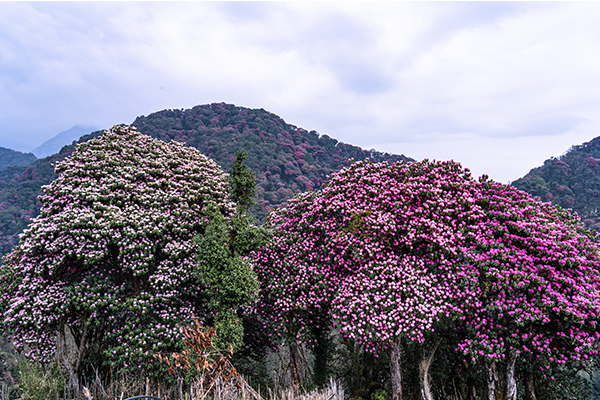
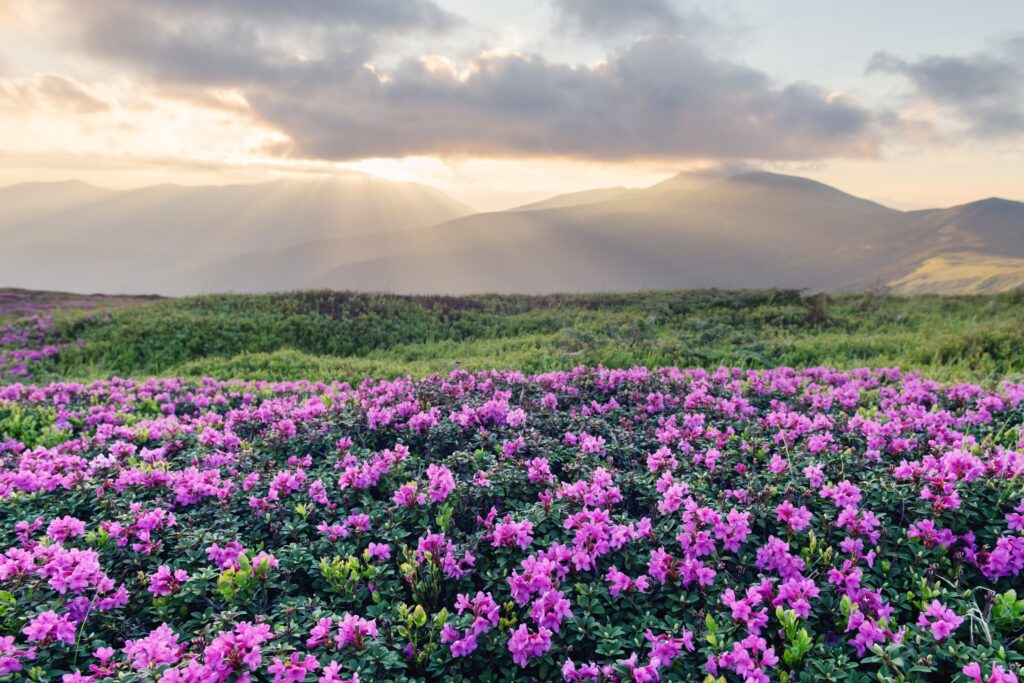
- In spring, rhododendrons bloom.
- In winter, the valley is almost completely covered with snow.
- In summer, the landscape becomes greener and gentler.
Yumthang is often called the “valley of flowers,” and a visit here is a must for any itinerary.
Zero Point
The point where the road ends. There are no significant architectural sites here, but the panoramic views of the valleys and the Tista River are impressive. The weather changes quickly, and the trip depends on road conditions. Usually, a visit is offered at an additional cost to the main program.
Katao
An area near the border with China. The military controls the region, but with the tour operator’s permission, travelers can reach the observation decks. The view of the mountain peaks here is one of the most open in all of Sikkim. During the season, you can go sledding, tubing, or downhill skiing.
Dzong
A lesser-known area rarely included in standard itineraries, located in the Kanchenjunga Biosphere Reserve. The Lepcha, the indigenous people of Sikkim, live here. Visitors stay in small guest houses, walk around the village, and visit the hot springs. Sunrises in Dzong are especially spectacular, with the peaks of Kanchenjunga very close.
Best time to visit
The best seasons are October–November and March–April. The Yumthang Valley is magnificent in spring, and in autumn, the weather is more stable, and the roads are more accessible.
In winter and during the monsoon season, many areas may be closed, and permits are often not issued.