Spain is consistently among the most visited countries in the world, and its tourist flow is distributed quite predictably: large cities and areas with developed infrastructure attract the most visitors. To navigate the country’s overall tourist landscape, it is helpful to start with a basic ranking of destination popularity.
TOP 10 cities in Spain by number of tourist visits (total, according to the most significant municipal statistics):
- Barcelona
- Madrid
- Seville
- Valencia
- Granada
- Malaga
- Bilbao
- San Sebastian
- Cordoba
- Toledo
This list does not rank destinations as “best” or “worst,” but it helps explain where people go most often and why. Below, we have compiled an overview of the destinations that underpin travel in Spain.
Barcelona
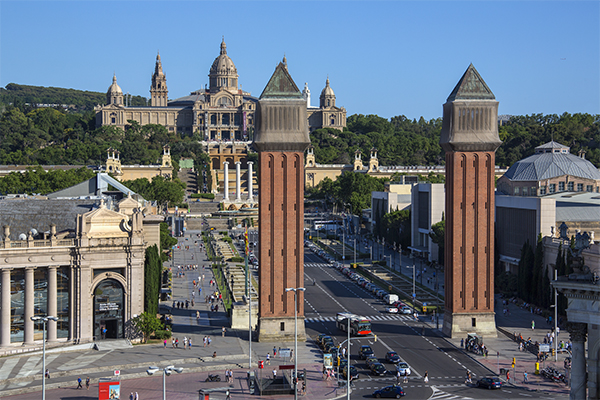
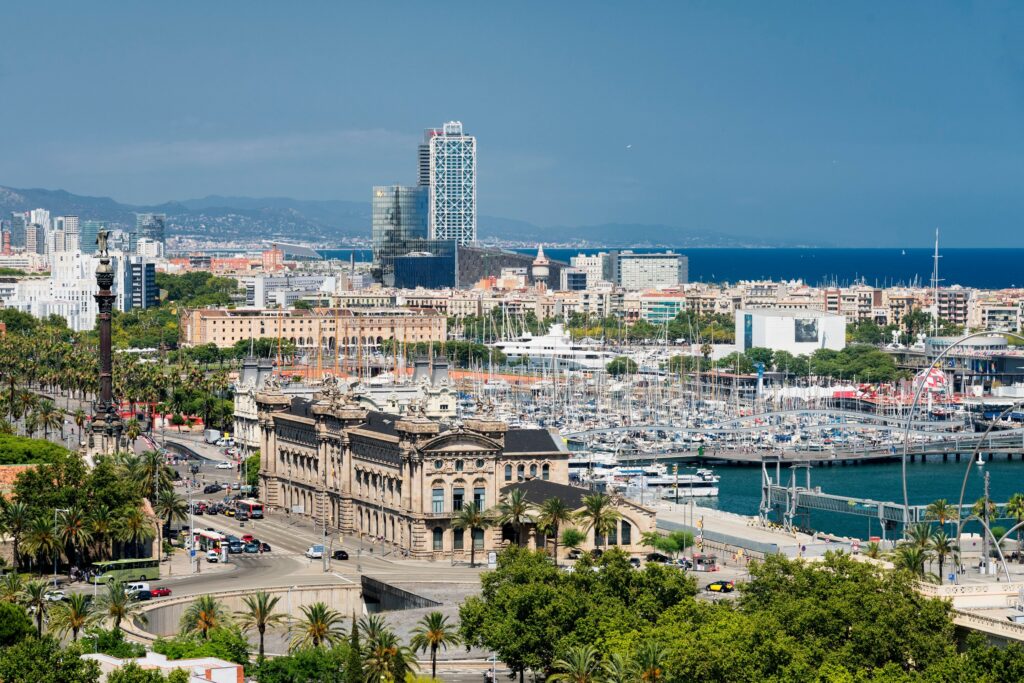
Barcelona ranks at the top in terms of tourist numbers thanks to its architecture, city beaches, and rich cultural program. The city is easy to get around: most of the iconic sites are within walking distance or a few metro stops away.
A developed gastronomic scene, markets such as Boquería and Santa Caterina, modern museums, large parks, the Olympic Port, and a long promenade make Barcelona a multifaceted destination. It is also a key center of Catalan culture, reflected in the language, local festivals, and cuisine.
Madrid
Madrid attracts travelers with its concentration of cultural institutions, comparable to the largest capitals of Europe. The museum “Golden Mile” (Prado, Reina Sofia, Thyssen-Bornemisza) forms a complete itinerary for several days.
The city has an active gastronomic life: traditional markets, modern restaurants, and an extensive network of tapas bars make cuisine one of the key ways to get to know the city. The Puerta del Sol and Plaza Mayor squares, the Retiro and Casa de Campo parks, and the business districts give a sense of the city’s different layers.
Seville
Seville is often perceived as “classic” Andalusia: it is home to key sites from the Moorish and Spanish Renaissance periods. The Alcázar, the cathedral, and the Giralda tower are the main points of interest, but the city deserves a more extended visit.
The widespread street culture (festivals, flamenco performances, local markets), developed gastronomic environment, and dense network of historic neighborhoods make Seville one of the most diverse destinations in southern Spain. The Santa Cruz district and adjacent streets are suitable for strolls.
Granada
Granada attracts visitors primarily with the Alhambra, a complex of palaces, gardens, and fortifications that are the best-preserved examples of Nasrid architecture. However, the city’s value is not limited to this site: the Albayzin district offers additional routes with panoramic views, narrow streets, and traditional buildings.
Granada is convenient for travelers who combine cultural activities with walking tours: the center is compact, and the trip itself usually takes one or two days. The city is also known for its tradition of free tapas, which are often served with drinks.
Valencia
Valencia offers two types of travel: the historic center with traditional architecture and the modern City of Arts and Sciences complex, which has become a symbol of the city. The resort area on the coast makes Valencia convenient for beach vacations.
Gastronomically, the city is known as the birthplace of classic Valencian paella. The El Carmen and Ruzafa districts are suitable for walking, as is the dry riverbed of the Turia, which has been turned into a long city park.
Córdoba
The main feature of Córdoba is the Mezquita, a former mosque that was later converted into a cathedral. The building is unique in its scale and architecture, and it is this that attracts most tourists.
Walking through the Jewish quarter and visiting the palaces deepens understanding of how the city functioned in different historical periods.
Bilbao
Bilbao became famous after the opening of the Guggenheim Museum, but today the city offers a broader range of attractions: embankments, markets, the old town, and observation decks. Basque cuisine is another reason to include the region in your itinerary.
Salamanca
Salamanca is valued for its preserved historic university buildings, Plaza Mayor square, and the old town. The buildings’ materials give the center a characteristic golden hue.
Toledo
Toledo is suitable for both a short trip from Madrid and a separate itinerary. The old town is located on a hill, which provides good views. Numerous churches and the Alcázar fortress form a dense historical route.
San Sebastián
San Sebastián is known for its combination of beaches, old town, and haute cuisine. Pinchos bars and restaurants make the city one of Spain’s gastronomic centers.
Malaga
In Malaga, you can combine a beach holiday with a cultural program: the Picasso Museum, the Alcazaba fortress, the promenades, and modern infrastructure make the city a convenient base for exploring the coast.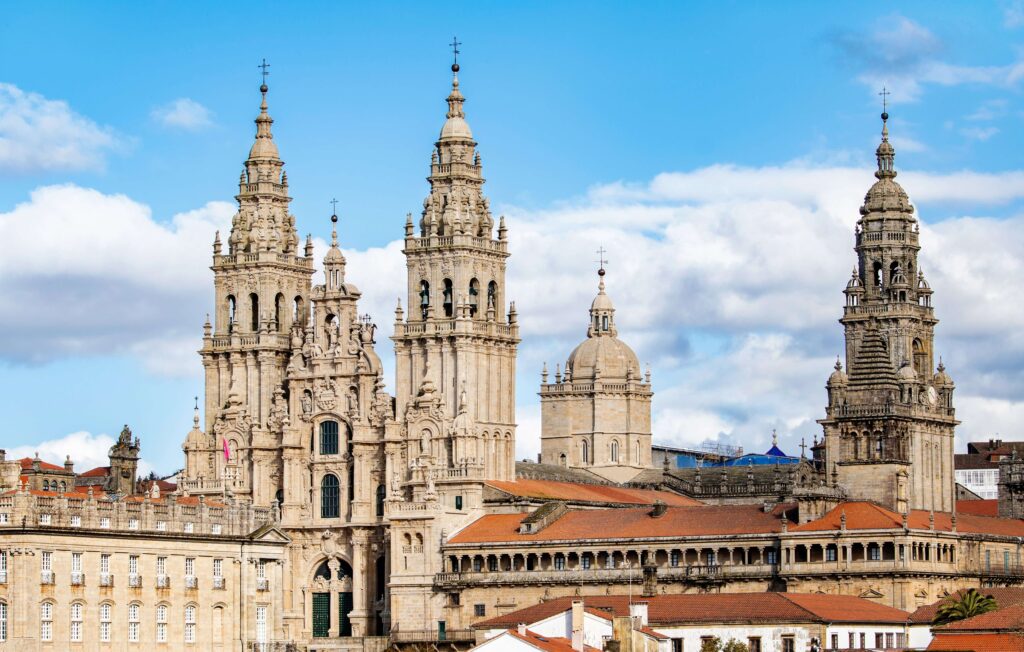
Ibiza
In addition to clubs and nightlife, there are quiet beaches, small settlements, and historical sites such as Dalt Vila.
Santiago de Compostela
The main attraction is the cathedral. The city combines religious significance with historical buildings and a peaceful atmosphere.
Ronda
Ronda stands out for its geography: the city is divided by a deep gorge, over which the Puente Nuevo bridge is built. Viewpoints and the old town make for a great day trip.